Fixed Prices Before Work Starts
We provide a clear written price before any electrical work begins, covering labour, parts, VAT and required certification. Prior to quoting we assess the installation and safety-critical issues to define the scope, and we won’t start until you accept the quotation. If hidden defects appear we’ll outline risks and options and seek approval. Our terms and guarantees that follow explain certification, pricing limits and workmanship cover.
Our services
- EICRs and remedial repairs for older period properties in the town centre and suburbs
- Consumer unit upgrades in post‑war semis and 1990s houses in Heath
Every job we carry out in Swale includes on‑site testing, clear fixed pricing for work in the borough, and compliant workmanship tailored to the specific property type and age. We’ll issue the appropriate electrical certificate for properties in the Swale area and arrange Part P notification to the local council where required.
The jobs we are called for most
Most call-outs involve fault finding, consumer unit upgrades, additional sockets, lighting, full or partial rewires, EICRs and emergency repairs. We trace faults methodically, isolate affected circuits safely and identify whether the cause is overload, damaged cabling, minster-on-sea connections, moisture ingress or deteriorated accessories.
In Swale’s post-war estates, Aluminium wiring needs careful assessment: unsuitable terminations can loosen through thermal cycling and create overheating risks. In Victorian terraces, we often encounter ageing VIR or rubber-insulated cable requiring targeted replacement or extensive Period rewires. We also upgrade undersized consumer units where protective devices, earthing or circuit capacity no longer suit the installation.
For landlords, homeowners and businesses, EICRs identify defects and departures from current safety standards. If you have repeated tripping, burning smells, shocks or water-damaged electrics, don’t delay: isolate what you can and call us.
What is included in every job
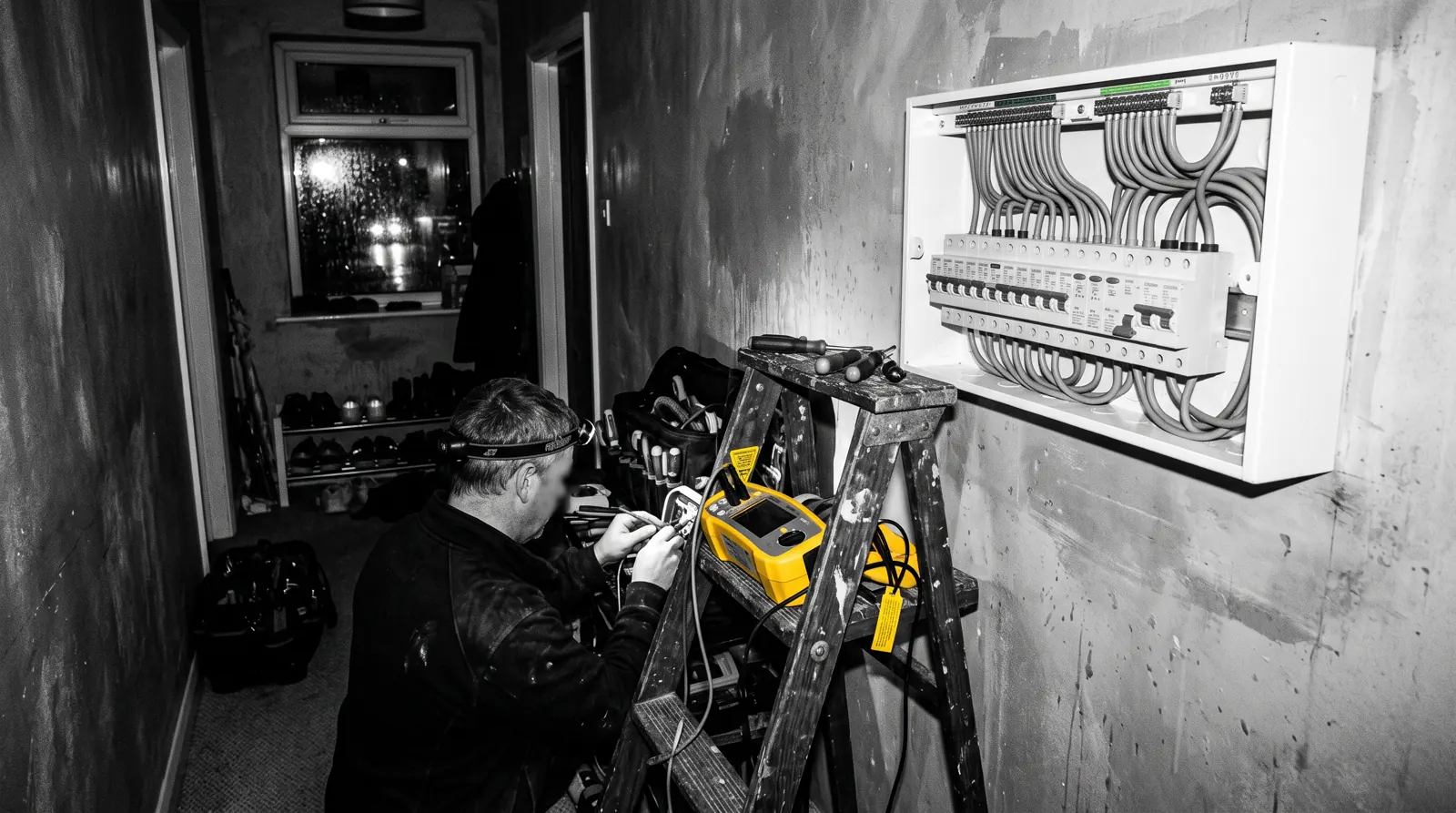
Every job starts with a safe assessment of the installation, followed by clear fault diagnosis or scope confirmation and a fixed written price before work begins. We identify circuit arrangements, protective devices, earthing and bonding, cable condition, loading and any signs of heat damage, moisture ingress or unsafe alterations.
We then complete the agreed electrical work using suitable materials and manufacturer-approved methods. This may include repairs, new circuits, consumer unit alterations, connection of specialist equipment, containment or targeted upgrades. Throughout, we carry out safety checks appropriate to the work, including verification of polarity, continuity, insulation resistance and protective measures where required.
You’ll know what’s included before we start, and the final bill won’t exceed the written quote. We provide a 12-month workmanship guarantee alongside applicable material guarantees, with workmanship and materials recorded for future reference.
Certificates and notification
Where electrical work requires certification or Building Regulations notification, we’ll issue the appropriate documents and handle the process correctly. As NICEIC-approved, Part P-registered contractors, we certify notifiable domestic work, including consumer unit replacements, new circuits, and many alterations in bathrooms. You’ll receive the relevant Electrical Installation Certificate or Minor Electrical Installation Works Certificate, plus test results confirming verification against BS 7671.
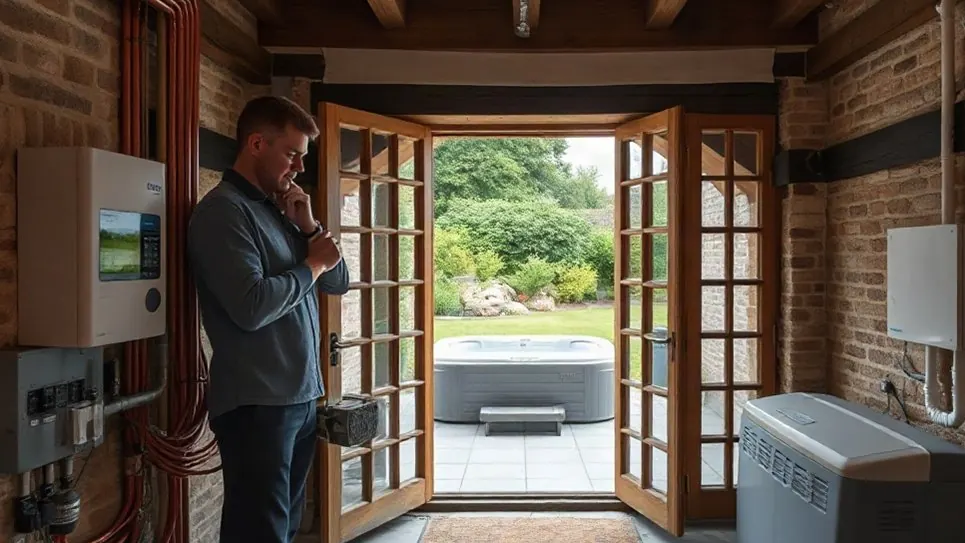
We manage the Notification process through the appropriate competent-person scheme, so you receive Building Regulations compliance documentation without avoidable delays. This is particularly important for heat-pump supplies, generator changeover arrangements, hot-tub circuits and sensitive listed-building installations, where circuit design, earthing and protective-device selection require careful records. We’ll explain which documents apply before work starts and submit information within applicable Regulatory deadlines. Keep certificates safely: they support future inspections, insurance queries, alterations and property transactions.
What it costs
Our Swale electrical prices are fixed in writing before work starts and are confirmed after we assess circuit condition, protective devices and access. Below are typical costs for common jobs, with VAT, parts, labour, testing and certification included.
| Job | Price | What's included |
|---|---|---|
| EICR, up to three bedrooms | £150–£250 | VAT, parts, labour, testing and certification |
| Consumer unit replacement | £500–£700 | VAT, parts, labour, testing and certification |
| Three‑bedroom full rewire | £4,500–£8,000 | VAT, parts, labour, testing and certification |
| EV chargepoint fitted | From £1,000 | VAT, parts, labour, testing and certification |
| Commercial EICR | £30–£50 per circuit | VAT, parts, labour, testing and certification |
Not included: plaster repairs, decoration, asbestos removal, DNO charges and access equipment; specialist generator, heat‑pump, hot‑tub and listed‑building work are quoted per job after a free survey.
How long each job takes
Timescales depend on the installation’s condition, safe isolation requirements, circuit testing and access, so we’ll confirm a realistic programme after inspection. We plan work around isolation windows, manufacturer instructions and certification, keeping disruption controlled.
| Service | Typical durations | Key dependency |
|---|---|---|
| Generator connection | 1–3 days | Changeover testing |
| Heat-pump supply | 1–2 days | Permit timings |
| Hot-tub circuit | 1 day | Site access |
| Electrical alterations | 1–3 days | Weather impacts |
We’ll test protective devices, earthing and bonding before energisation, then issue the appropriate certification. External containment, trenching and generator commissioning can extend programmes where ground conditions or rain prevent safe work. If other trades are involved, we’ll sequence our installation to avoid live-working risks and unnecessary return visits. Your written programme will identify isolations, access needs and completion checks.
Property types we work on around Swale
In Swale town centre and the Leysdown terraces (largely mid‑ to late‑Victorian terraces built c.1850–1900), we inspect the existing installation and, where present, look for VIR or rubber‑insulated cables, often found in properties of that age, plus evidence of ad hoc ring final or radial circuit alterations from decades of rewiring.
Certificates you will receive
After completing electrical work in Swale, we’ll issue the certificate that matches its scope: an Electrical Installation Certificate (EIC) for a new circuit or consumer unit, or a Minor Electrical Installation Works Certificate for an addition or alteration to an existing circuit. These documents record test results, circuit details, protective-device verification and any observations relevant to electrical compliance.
Where work is notifiable under Part P (for example, consumer‑unit replacement, new circuits and certain bathroom or other special‑location installations), our NICEIC registration allows us to self‑certify and, where applicable, notify Building Control on your behalf; you will receive the relevant installation certificate and confirmation of Building Regulations compliance within the normal paperwork timelines. (Note: consumers sometimes assume all electrical work must be notified — in fact only work falling within the statutory definition of notifiable work under Part P requires notification.)
If you book an inspection rather than installation work, we’ll provide an EICR setting out the condition of the installation, any defects found and recommended remedial action. (Note: an EICR reports on the current condition and safety of an installation but is not in itself a guarantee that it meets all future regulatory or insurance requirements.)
Areas we cover from Swale
Our Swale-based electricians cover ME11 and the nearby neighbourhoods of Sheerness, Queenborough, Leysdown, Eastchurch and Minster-on-Sea, travelling from Klondyke Industrial Estate to properties in those specific areas rather than operating a trade counter. In Sheerness (many Victorian and Edwardian villas and terraces), Queenborough (a mix of late‑19th and early‑20th century housing with some interwar semi‑detached homes), Leysdown (19th‑century mill workers’ terraces and post‑war estates), Eastchurch (mainly post‑war and 1960s suburban housing) and Minster-on-Sea (a village with Georgian and Victorian cottages and newer infill), we plan attendance around the installation’s risk profile, access requirements and the need to isolate supplies safely before diagnostic or remedial work begins.
For listed and period homes in Swale’s conservation areas such as the Minster-on-Sea Conservation Area and parts of the town centre containing Georgian and Victorian townhouses, our historic conservation approach prioritises discreet routing, appropriate containment and electrical safety without unnecessary disturbance to the protected fabric of those named areas.